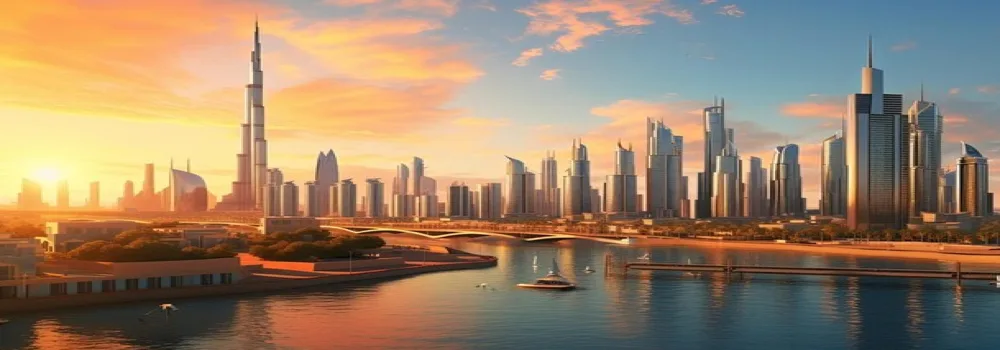
There’s been a unanimous observation across the board of guests’ growing affinity for personalised, meaningful, cultural experiences in the Middle East this year.
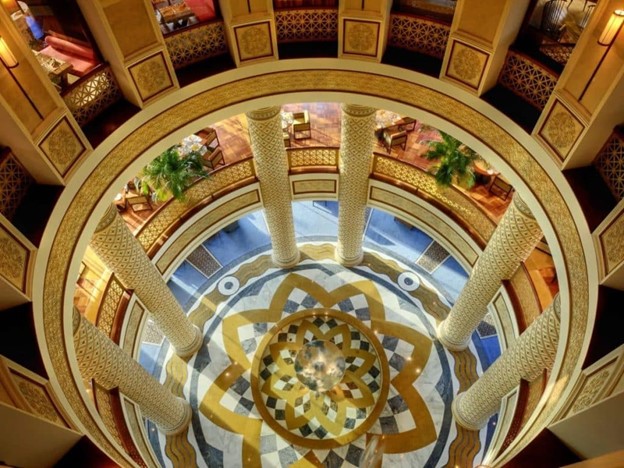
With its rich history, diverse traditions, and vibrant heritage, the region has become a magnet for travellers looking to connect with its unique cultural offerings. This type of travel also fosters cross-cultural understanding, strengthening ties between the Middle East and international communities.
“We’ve seen a rising interest in authentic, local experiences, with guests seeking immersive interactions with UAE culture,” explains Sophie Blondel, general manager at The H Dubai. “Our concierge team has responded by curating unique local tours and collaborations with local businesses, adding an enriching dimension to our guests’ stay.”
Other hotels in the GCC region have also noticed the shift to wanting more authentic experiences rather than the usual hotel offerings.
Hussein Dayekh, managing director at Rosewood Jeddah shares: “Guests seek more than just luxury — they seek meaningful, memorable experiences rooted in discovery. This aligns with our philosophy of ‘Life Elevated by Discovery’, where every interaction tells a story and every service touchpoint contributes to an enriched experience. Additionally, there’s a strong demand for culturally connected services, like local entertainment and exclusive F&B offerings.”
Hilton Palm Jumeirah’s hotel manager, Shadi Refai, echoes this sentiment, sharing how they have seen a marked rise in interest in authentic local culture. “Unlike previous years when cosmopolitan luxuries were top of mind, 2024 saw our guests exploring Dubai’s cultural roots. Curated cultural tours, immersive experiences in Old Dubai, and activities celebrating Emirati heritage have enriched our visitors’ stays with meaningful local connections,” says Refai.
“In line with this cultural shift, we’ve also observed a heightened interest in hyper-local dining. While Dubai is known for its global cuisine, guests now seek dishes made from locally sourced, seasonal ingredients, sparking a resurgence in Emirati and regional flavours,” he continues.
The rise in cultural tourism benefits local economies as hotels partner with local suppliers and businesses, creating jobs, supporting local artisans, as well preserving the cultural heritage.
At ME Dubai, a brand renowned for its celebration of the arts and culture, the growing trend and desire for cultural experiences is one that has been welcomed.Elsa Lahoude, GM of ME Dubai explains how they have noticed travellers are increasingly seeking out boutique and lifestyle properties over larger hotel chains, attracted by the unique designs, distinct brand stories, and more intimate experiences these hotels offer. As a result, many hotels are focusing more on building strong brand identities, creative interiors, and offering localised experiences that give guests a true sense of place.
“We’ve noticed a strong trend toward personalisation, where guests are looking for unique touches like customised room decor and special amenities tailored to their preferences. Guests are also highly interested in experiencing the story behind the hotel, so we offer guided tours that delve into Zaha Hadid’s inspiration and vision for ME Dubai’s design. Our concierge team also plays a key role in enhancing the guest experience, offering personalised recommendations for the best dining, entertainment, and cultural activities both within the hotel and around Dubai,” says Lahoude.
Preserving Saudi’s heritage
Over in Saudi, initiatives like Saudi Arabia’s Vision 2030 continuously aim to promote the region’s heritage, which aligns with demand for more cultural, authentic experiences that’s attracting global travellers.
Projects like Diriyah Gate, AlUla, and Hegra highlight the Kingdom’s ancient history and offer curated experiences such as stargazing in the desert, traditional music performances, and archaeological tours.
Mega-projects such as NEOM and The Red Sea Project integrate cultural experiences with sustainability and luxury, creating destinations that showcase the region’s heritage. These projects emphasise storytelling, blending traditional narratives with cutting-edge visitor engagement techniques.
Juan Paolo Alfonso, GM at Miraval The Red Sea says: “Cultural integration through Saudisation is a priority for and we are committed to fostering an authentic guest experience while supporting the local community. Through the hiring and development of local talent, we bring the richness of Saudi culture directly into our hotel, enabling guests to engage with and learn about local traditions, values, and hospitality first hand.”
He explains how the unique insights and cultural knowledge of local employees, enriches guest interactions, creating a more meaningful and personalised experience that international visitors find both engaging and memorable. “It also allows us to invest in local communities and talent by enabling us to develop a pipeline of talented Saudi’s to further increase our bench strength facilitating the resort and industry’s sustainable growth,” he continues.
Alfonso concludes: “The growing interest in cultural experiences in the Middle East reflects a broader shift toward purposeful and meaningful travel. With continued investments in cultural heritage and tourism infrastructure, the region is well-positioned to attract a new generation of travellers seeking immersive, authentic journeys.”